

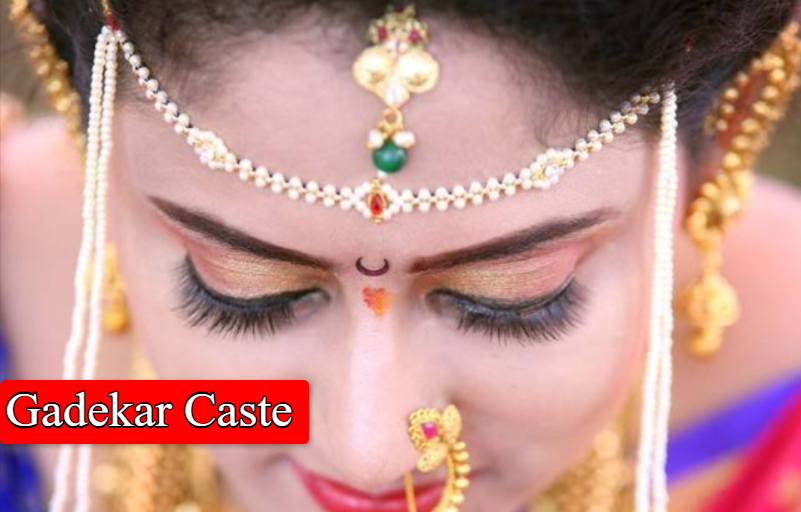
A Maharashtrian name Gadekar Caste comes by the Gadde village. Gadde. The natives of the area were referred to as Gadekars who were able to speak Marathi and embraced the common regional customs. The people who carry the name are a reflection of their culture and respect their family’s ancestors. The roots of Marathi culture are easily seen in those who are Gadekar Samaj members. They usually adhere to the hindu faith and celebrate religious occasions such as Gudi Padwa as well as Ganesh Chaturthi.
The prestigious and proudly culturally minded community of Maharashtra is a place of bravery and valour. A majority of its members played the duties of guards and soldiers. Thus, the number of times in surname, it also reflects an expanded version of gadmeaning Fort.
The majority of Gadekar Caste reside within Mumbai in Mumbai and Pune. They refer to Punekar as an interchangeable surname, sharing the same identity and convictions. They are in the general category as per the Indian census conducted by the government. Their socio-economic status and educational background has been given green signals from authorities of Maharashtra government. The families of the Maratha Kshathriya were active in the management of forts and monuments of the past. They mainly lived in cities and had plenty of chances for survival and growth even in the past ages.
Gadekar culture of caste and its history
Traditional Gadekar Caste men were mostly seen dressed in kurtas and headwear, as well as the waistcoat. Women wore the saris as well as Kolhapuri chappals. The community observance of customary religious and traditional celebrations and relied on wheat and rice to provide a stable diet. The customs of Maharashtra was embraced by the other members of the community, who also believed in its protection and expansion.
Ancestral Gadekars are still safeguarding the architecture of Mumbai which includes Bibi ka Maqbara, Ajanta Ellora caves, and a myriad of other Historical sites that are recognized by UNESCO. The guardians of Maharashtrian heritage make use of a mixture of Hindi, Marathi and English to communicate. Multilingual Gadekar Samaj has a complete contribution to the preservation of the rich culture of Maharashtra.
While the men of the caste tend to be seen as fort guards and forts, women are considered housewives. They are often seen doing household chores, or working at their homes. The local community celebrates local folk and dance traditions as well as the traditional music. They are part of Lavani along with Banjara dance festivals every year.
Gadekars often visit Trimbakeshwar, the local Mahabaleshwar along with at the Saibaba temple to pray. They also participate in the holy Maharashtrian ceremonies of offering prasad and floral offerings at the nearby Kuldevi temples to ask for blessings and protection for the future and present generations.
The final words
A caste of guards inherited from the family and soldiers Gadekars are brave and strong community members. The present generation of Gadekars can be typically working in academic and professional experiences that are different from their predecessors. Because the city of Mumbai is filled with resorts and hotels the most modern Gadekars are often found taking hotel tourism and business management courses. Local employment opportunities for Gadekars are plentiful in the present day. There is no limit to people to choose their families’ occupations, and restrict their earning potential.