

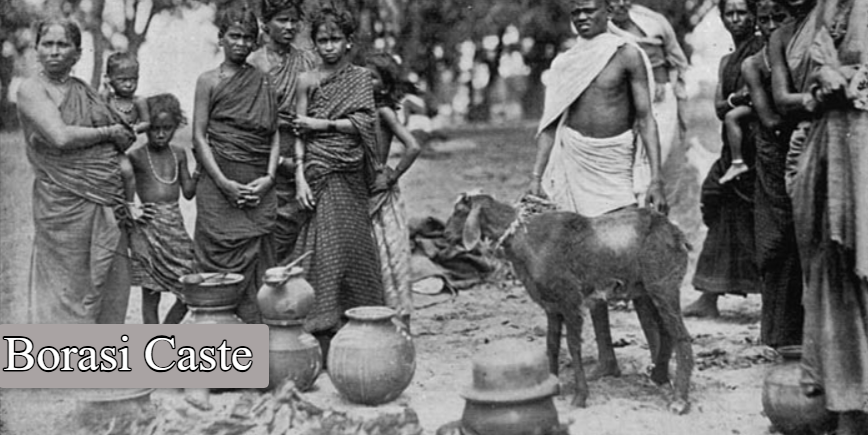
It is believed that the Hindu group of Borasi is also known as Boria. It is the Kshathriya rajput subclan can be dispersed across northern India. The majority of the Borasi Caste members were traditionally engaged in the field of farming and agriculture. They also had strong combat skills that were a vital element of their culture for many years.
Borasi Samaj Borasi Samaj customs and culture are the same as those of the Rajput Shathriya clan of Hindu. They are predominantly Shiva devotees and observe every Hindu holidays throughout the year.
Borasi caste history
The members of the community originally belonged to the pasi community, which has been wiped out and not is there. The community that was once endogamous was mostly found in the regions that comprised Bihar, Uttar Pradesh and Nagpur. It was known as the Pasi Borasi Community also used the word bahoria to describe their names. The members of the caste enjoyed the highest social status and were well educated.
The endogamy culture was very prevalent in many different subcastes in Borasi. Gujar-bearers and those with a Kaithwas’s surname were also engaged in marriages with those belonging to this caste’s subgroup. They also made adorable expenses to get wives from their clan. The culture eventually faded away as the Kshathriya community began to marry women from different subgroups.
Are Borasi Obc or general?
Borasis have been granted OBC status through the Indian census of the government. The members of the caste are engaged in agricultural activities and farming but remain in a state of denial of social status over the last years. The government recognizes the plight of the caste and places it under the umbrella of the other backward classes. Even today most members are cultivators as well as small landowners. They also participate in the field of animal husbandry as a primary source of income. The multi-caste community relies heavily on Biradari Panchayat to handle their daily problems and crimes. There is a limited amount of residents falling under the caste classification and the Borasi populace was included as backward in the census conducted by the government of India.
The current situation is that of Borasi community Borasi community
The Borasi caste members remain in the regions in northern India and have a variety of income. Certain families continue to practice agriculture jobs, while others have moved to modern methods of earning money. Indeed, many committee members practice trading and farming based on the type of generation they are using to make a living.
The Borasi Samaj is scattered across northern India which includes both rural and urban regions. They have careers in various fields in education, information technology and medical technology. The younger generation is mostly working in fields that require the highest level of education and qualifications. The influence of rural and urban living is evident in people who are part of the caste in our current. The younger generations are trying to safeguard their identities and support the economic development of the next generation. Therefore, people have left their traditional jobs to pursue a more fulfilling future. However they also insist marriage within the caste, so that their values as a culture are not diminished.