

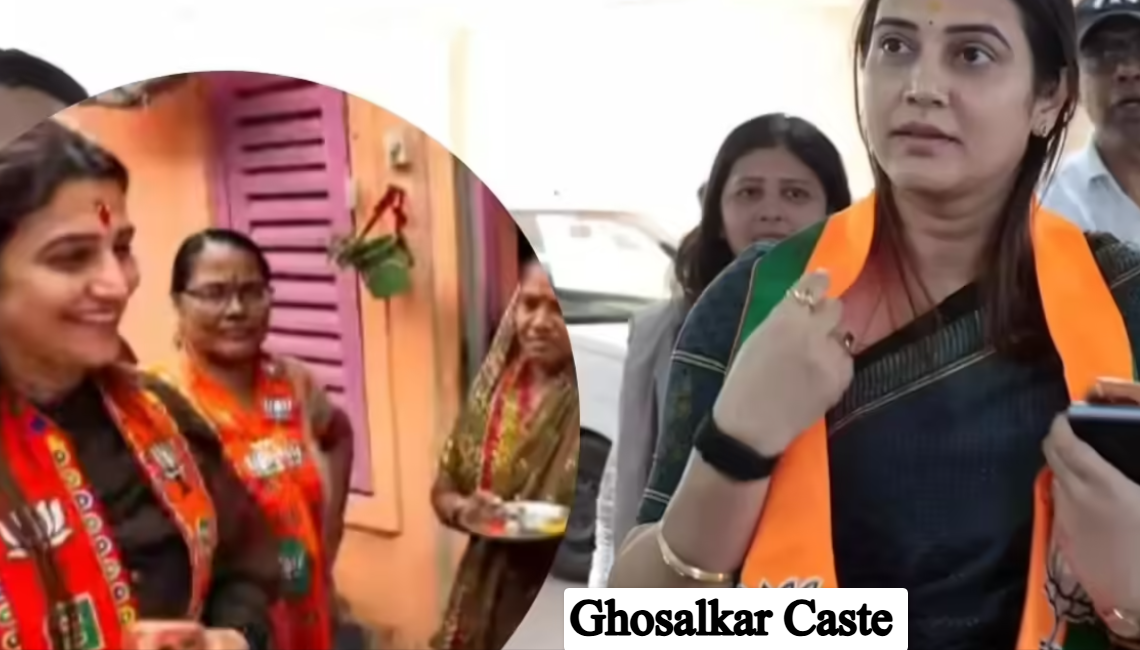
The original Ghosalkar surname comes from the Ghosali clan that lived in the western region of India. The name of the brahmin reflects migratory patterns as well as trades, social mobility and other aspects that contributed to its existence. It is mostly dependent on its connection to the Maratha Empire of the age-old British colonial period. The history of the family of every Ghosalkars has its roots in diverse regions of India.
Ghosalkar source and description
The Konkan region in Maharashtra is home to a large number of Ghosalkars. Ghosalkars belong to the Gowda Saraswat Brahmin clan is the principal gotra of the Ghosalkar community. It is a part of the community’s beliefs, which are handed through generations.
In the present time in the present, the Brahmin community has a significant role to play in educating community and promoting the importance of religion.
Surname bearers generally use English, Marathi and Hindi as their native languages. They can, however, select a different language based on their local settlements. The intriguing Ghosalkar Caste also takes on the title of Ghoslakar. Celebration of festivals such as Gudi Padwa as well as Ganesh Chaturthi remain the same for all family members.
Traditions of Ghosalkars
Maharashtrian Brahmins aren’t limited to teaching and preaching the Vedas as well as Brahmanical texts.They are equally involved in the administration task as well as politics, Warriorship and business. The Ghosalkars from the previous British Empire were responsible for the financial aspects while delivering their message in Hindu scripts. They were elite intellectuals who were even in the Mughal era and enjoyed an elite status. They only went to their local Trimbakeshwar Temple and had a home along the banks of the Godavari River for rituals and rituals.
Ghosalkar present situation
Today that is currently in place, Ghosalkars are a part of the Ghosalkar Maharashtrian Brahmins have been involved in record keeping, politics teaching, and other jobs. In contrast to the British colonial period, a lot of Ghosalkars have been able to make a mark in the socio-economic development of Maharashtra. Ghosalkars are vegetarians, as well as non-vegetarians. They can handle both Brahminical and non-Brahminical responsibilities.
The Ghosalkar caste mainly worships Hindu gods by way of icons, images and symbols. They also go to the local temples in Maharashtra and perform Saibaba along with Lord Vitthal with complete enthusiasm. Because the caste is renowned for its superior intelligence and a higher administrative scale, they are frequently hired as scholars and instructors in various colleges. They are no longer considered untouchable and are equally important to those of lower castes in Maharashtra. The new generation of Ghosalkars enjoy dining together with all sub-castes regardless of their power and financial status .
The final words
Ghosalkar falls under that of the Samast Brahmin Samaj which accounts for around 10 percent of people of Maharashtra. They are classified under the general caste and have no special quotas or reservations for government colleges or jobs. The economically stable and literate portion of Maharashtra in the society is given more respect due to their affluence and level of Varna. They still carry their surnames from the beginning as a element of their father’s heritage however they also have a variety of other jobs apart from the teaching of Brahmanical Vedas, and Puranas.