

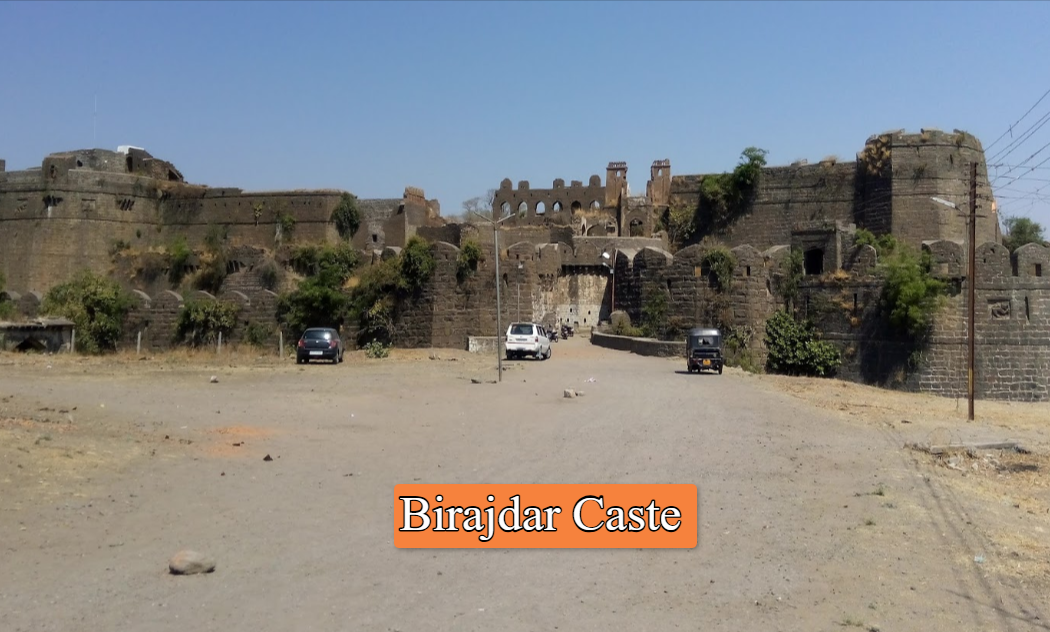
Birajdar Caste are a group of people who interchangeably utilize Biradar in lieu of their surname. Most of them belong to Maharashtra, and those who belong to the caste are included in that general grouping of Hindus. They are mostly located in the Udgir region that are part of Udgir located in Maharashtra and are involved in taxes and revenue collection. The origins of the caste originate in the Maharashtrian word Bharatar which was originally a reference to brotherhood.
Birajdar’s history of the caste
In the past, carrying the Birajdar surname was an act of honor and pride. Birajdars were historically wealthy and were the landowners.
They Marathi spoken castes were involved in administration. Their economic growth was mostly derived from farming activities. It was the tax collection from tenants and farmers that accounted for the bulk of their income.
Birajdars were district level record maintainers, land owners, and tax collectors. They governed the law and ensured that farmers had their rights. In simple terms it is possible to say that the primary function that the members from caste was to act as a link between the power structures as well as the farmer. They were the rulers who made rules that were different in accordance with the needs. In simpler terms one could say that Birajdars were the primary guardians of the labourers, local traders, and agricultural duties. They made sure that there were no conflict between farmers and the Zamidars.
In 1951, the abolishment in the system known as zamindari led to the growth of caste members. As they no longer served as the tax collectors or keepers of the agrarian societies Their involvement changed to military pursuits. Rural areas in Maharashtra remain Zamindari System that is scheduled to be wiped out of the foundations with the next generation.
Birajdar culture
Birajdar’s caste mostly follows the Marathi culture, which was heavily influenced by the former Maratha Empire. The Birajdar samaj devotes their lives to Lord Vitthal ( Ganesha) and Shivling in the form of Khandoba. Kalubai Devi temple is a popular place of worship. Kalubai Devi Temple is an important place to worship for the Birajdars.
The traditional Birajdar males’ attire included pheta as well as Dhoti as women were dressed in traditional Navwri Saree. Nowadays, males wear clothes and trousers, and women are usually with salwar kameez. These festivals and occasions are celebrated widely and cherished by the members of the caste.
The Birajdar samaj symbolizes the rich Maharashtrian tradition in the form of heavy jewellery and flower ornaments in hair. The Kolhapuri chappals and saris are still in use to highlight the beauty of community members for the next generation.
Birajdar caste is usually seen celebrations of Gudi Padwa which is one of the most popular festivals celebrated by Marathas. The day that begins the Hindu year is the day that marks the onset of Gudi Padwa. Another major festival observed by Birajdar Maharashtrian community is Ganesh Chaturthi. Ganesh Chaturthi is a 10 day celebration that is a cult event with a large following.
Urban dwellers have different methods of celebrating the same celebrations than rural regions of Maharashtra. Lavani, Tamasha and Powada are common in rural areas of Maharashtra as part of the traditional Birajdar tradition.