

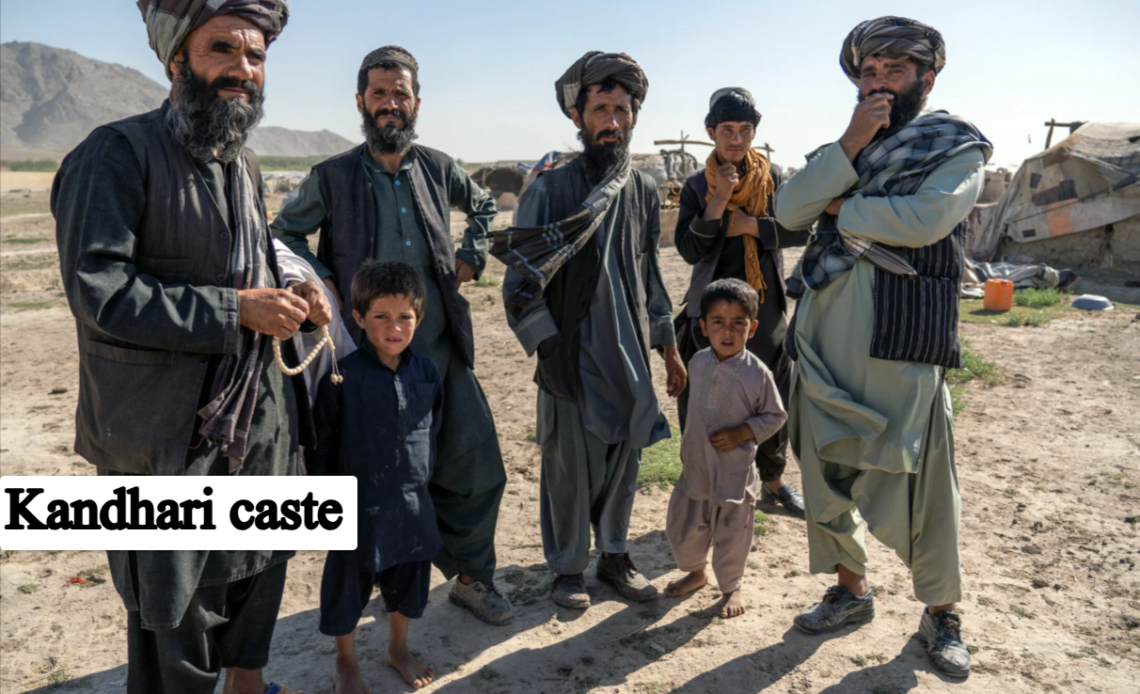
The upper class of Indians in earlier times typically used the Kandhari caste in order to show their roots in the Kandahar province in Afghanistan. It is classified as a general caste of Hindus and Muslims, the Kandhari Samaj constituents are acknowledged as a key component in Indian industries. They were always educated and had a high rank within society. Indian community of caste.
They Indo Afghanistan descendants influence the multicultural nature of the caste. They adhere to the traditions that of Hindu and Sikhs as a group. The Afghan immigrants Afghanistan are in close contact to military and trade.
The standard Kandhari Caste culture
The mixture between Punjabi with Pakistani culture, the Kandhari Khatris have remained true to their culture and culinary practices. They are mainly accounting professionals, tax collectors revenue managers, and zamindars. A majority of the cast adhere to Hinduism while a few adhere to Islam as well as Sikhism.
The languages used among the Kandhari clan are different depending on their regional preference. Minorities of the clan are the languages of Dogri, kutchi, Sindhi and Urdu however the majority of the clan prefers to converse the languages of Punjabi as well as Hindi. The early Kandharis of Punjab utilized to use the Gurmukhi script create their native language. It was an Punjabi script written in Punjabi that was developed in the middle ages through Guru Angad.
Kandhari Caste-related professions and methods of livelihood
Kandharis always considered education and trade as a serious matter. Therefore, they always had the upper hand in education and financial issues. They were the most prevalent in jobs like banking and trading. In the late medieval period, there were several Kandhari members occupying ancestral land and practicing agriculture. They earned a decent living through the manufacture of silk as well as other expensive yarns. In actual fact, a few of the caste members were weaver from Punjab who took their craft and professions up to a high degree.
Kandhari in the present time frame
In the present time the majority of Kandhari casting members have settled into the local communities of India. They have maintained their culture roots and are a significant contributor to their chosen field of work. In the past, members of the caste generally spoke Kandhari language, which later transformed into Punjabi following their move to. They brought business from various regions from Europe, Middle East and Africa. They revered Sufi Saint Saibaba and were heavily influenced by the Punjabi culture. Punjab.
Last words
The community of mercantiles in Afghanistan is located in various parts of India and is particularly concentrated in Punjab and in the north-western region. The people are bound to their customs and traditions, and have huge geographical influence in their trade and language practices. About 20% percent of the kandhari population is located on the outskirts of Maharashtra and the remainder is scattered throughout Delhi, Punjab, Haryana and Uttar Pradesh. The Punjabi community adheres to the customary Punjabi Khatri rituals, which are a mix with Sikhism along with Hindu elements. They observe similar pre-wedding as well as post-wedding rituals such as Sagai, Godh bharai, Kanyadaan and vidai similar to the traditional Hindu rituals. The Kandhari Samaj is committed to observing every ritual and custom, by obtaining the blessings from their Kuldevi and their elder family members. They are adamant about non-violence and are considered to be among the top prosperous, powerful and tranquil communities of India.