

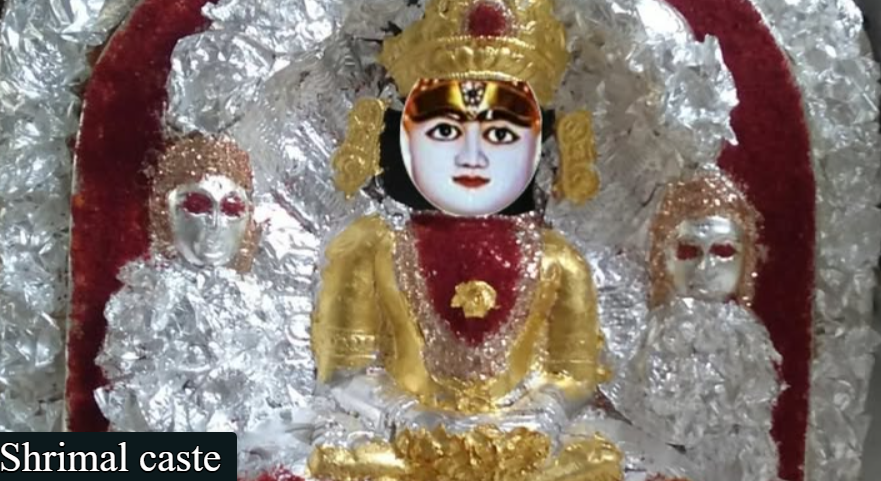
Shrimal caste is an amalgamation that combines Jains as well as Brahmins who were advisors to Rajput kings in earlier times. The name of the community comes in Bhinmal Village, which was previously named Shrimal Nagar. The city’s prosperity was noted for its business and trade matters. It was the principal residence location of wealthy moneylenders as well as merchants who served as ministers at the Kings Court. There were ministers in the city who were kings’ followers and immense treasures. The city subsequently declined following military and foreign invasions.
They are the Shrimali Brahmins are in essence part of the first Brahmin community that adopted the earlier surname. They adhere to their own version of the Shrimala Purana for their mythological beliefs and the basic principles. The community continues to adhere to its origins while adhering to their rituals of kuldevi. The community worships the deity of religion on every level.
The Shrimal clan’s evolution
The members of the community were divided into several sub-castes and branches. They mainly followed Jain tradition and were part of that of Swaminarayan Vaishnava group. The present generation of Shrimals are ministers, bankers and entrepreneurs as well as educationalists in a broad range. The influx of the community into the states in Gujarat and Rajasthan also enhanced their trade skills. They quit their initial Kshathriya professions and began practicing trades
The origin of Shrimal clan and the culture
The residents of the town called Shrimal Nagar approximately 800 years ago, adopted the Shrimal name. The name was originally, Sree means beauty and mal is a location. It was due to that curse of goddess Lakshmi as well as Rishi Gautam in the wealthy Shrimal Nagar lost its charm. A large number of people then relocated into the region that comprised Rajasthan and Gujarat with the fear of suffering. The Srimali Brahmins spread across various areas in the following years, while also maintaining their status as traders and merchants. They are largely vegetarians who follow the tenets of ahimsa rigorously. The group is akin to the old Jains who adhere to the principles that were taught by Acharya Shree Swayam Prabha SuriSwaraj Ji.
Shrimal became involved later in the construction of temples and wrote holy scripts. They were influential across various fields of commerce, politics and education. A number of places in Gujarat were selected by people of the community to settle. The caste no longer adheres to its old trades but is actively involved in trading. The spreading of Jainism over the Shathriya King is the first step towards the emergence the development of Shrimal culture.
Shrimals commonly make use of Oswals in their names as their family name. They worship goddess Laxmi for their Kuldevi. The first Oswals later adopted the title of Shrimal due to their adherence to the traditional Jain tradition instead of Bania.
Shrimal gotra as well as Kuldevi
The latter stages saw the dispersal from Shrimal Brahmin culture into Kathiyawadi mewadi, marwadi Kacchi. The Brahmin community was able to leave their mark in the realms of literature, religion and administration due to their profound beliefs. The people were genetically gifted spiritually and intellectually.
They adhered to the shrimala Purana that establishes guidelines and rules for daily activities of members of the community. The shrimals are a believer in local traditions in addition to vedic lives cycles. They adhere to Hindu wedding rituals, with God’s blessing to Goddess Mahalakshmi the temple of which is situated in Pushkar Rajasthan.