

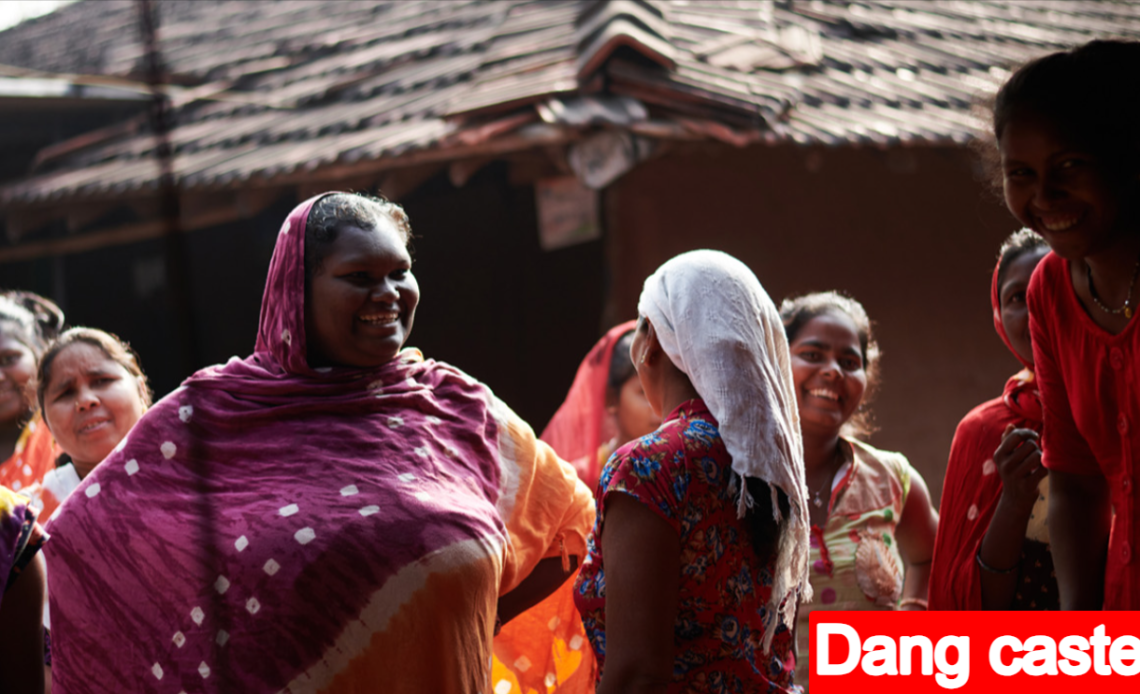
The Dang caste India are an ethnic group within the OBC community, which is split into subgroups and regions. The community spans throughout all of the Indian regions and has been extremely influential in a variety of ways. People who descend from Lord Rama are known for their an intellectual rigor and a sense of humour. They are mainly found in the regions that include Delhi, Punjab and Haryana and are a mix of modern and contemporary values.
Dangi Community Dangi Community refers to the residents of the hilly region. The hardworking community of farmers is usually found in the regions of Bihar and the more intricate villages. The social divisions within the caste are Badaki as well as Chutki which refers to big land owners and small land owners, respectively. The community is expanding and has joined larger organizations like All India Dangi kshathriya Sangh (AIDKS).
The Dang caste Community is very positive and friendly attitude toward other Varnas. They are fun and powerful in many ways.
Which is the history to Dang?
Dang Caste members were originally part of villages of Dang in Bihar. The tribal community was mostly involved in animal husbandry as well as cattle grazing. The caste eventually evolved and spread throughout northern India and was involved in various kinds of business and trade activities. Although the majority of caste members are scheduled caste, a small number are in an overall category.
The non-creamy portion of India has an encroaching literacy gap and a lower ratio of women to men. These people are still living in remote regions of India that depend on gram panchayats to make important decision-making. The villages around Dang village include sakhwa as well as phuguniyan and bhitahi. There are numerous reservations and quotas offered to the clan due to being underprivileged in a variety of ways. The government recognizes the dangs as a minor caste and assists them get a fair chance to be employed on the job market by granting them reservation.
The Dangs and their social contribution
Dangs Dangs are a social-economic group that is believed to be the first people to live in the forests. They were later civilized and were recognized. In the past it was difficult to get access to education and the basic services offered to the community. They were treated with a low position in society. This is why the caste was considered to be underprivileged which is now supported through the state of India through different Vikas programs.
Dangis are not just lifted by granting them extra benefits and reservations but are they are also protected from the ill-conceived practice of intouchability. The constitutional system recognizes the dangis and works towards their advancement and empowerment. The aim is to improve the standard of living of both men and women at the personal and societal levels. There are numerous schemes are in place to ensure that children attend school and do not drop out are implemented. Additionally, post-matric scholarships that assists children of Dangis to attend IITs and IIMs are also offered. Special educational facilities for the aid of UPSC and various organisations are offered.
Final Words
The present situation in Dang caste in India is in the process of upgrading. Legitimate efforts are being made in order to improve members of the Obc community and to eliminate the gaps for the next generation.