

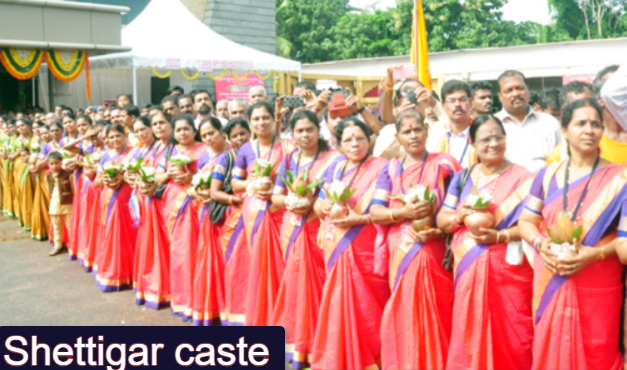
The Shettigars or, also know as Padmashali/Padmasali, in the states: Maharashtra, Andhra Pradesh, Telangana, Tamil Nadu and Gujarat. They are the traditional Hindus who are actively involved in the art of weaving and task. The meaning of Padmasali comes by the words Padma lotus as well as sali weaving.
What is the meaning of Shettigar ?
Shettigar Weavers are mentioned within kulapurana as well as Markandeya Purana. They are Telugu weavers. They are often referred to as Julahas and belong to the backward classes category. Sub-groups like Shettigars are granted the right to be granted reservations in government positions and exams. The entire rules for the backward class commission apply to this system of castes.
A few people from the members of the Shettigar caste members make use of the Devgan surname to refer to themselves. The Vaishnava religion adherents were mainly Durga adherents and had strong religious roots. Shettigars were able to weave a variety of clothes, and were their status as shudras within their Hindu Caste Verna. They were considered to be low-status according to Hindu mythological stories and legends.
A portion of the Shettigars were blessed with an Brahmin gotra, and their guru suggested they convert the rest to the Brahmin caste. In the end, the community moved into the areas of Tamil and began speaking Telugu. Their art work was loved by the kings and princes of the time.
The story of Shettigars
Because Padmashalis are predominantly involved in weaving work They are reputed to learn the craft of Maharishi Markandey. Their weaving techniques and artistic work is most often seen in the region in Andhra Pradesh.
The two groups of Shaiva and Vaishnava are primarily involved in the genesis of Shettigar caste.
Presently, Shettigars remain the third largest community in Andhra Pradesh. Weaving is their main occupation until date, and a lot of artisans have migrated to urban regions. The people who migrated had to be involved with the purchase of raw materials, such as fabric as well as Silk yarns. The old weaving practice is being carried out by the craftsmen. The final products are provided to the authorities and other private organizations.
What is Shettigar doing right now?
When the economy grew the artisans were forced to lose their income. There was a greater demand for ready-made clothing rather than handwoven products. Shettigars from various regions experienced economic loss and were forced to quit their profession of over a century. Today, the new generation Shettigar is engaged in fields of medicine, politics engineering, and business. They have been granted a number of advantages under government schemes to improve their socio-economic standing in society.
Summing up
Shettigar Caste members are awash with a wealth of Brahminical value due to their long-standing connection to Markandey Rishi and Puranas. After being Obc, Shettigars are found wearing the sacred white thread. They are well-versed in the puranas, scriptures and Vedas.
The final words
Many call Padmasalis the saliyas. They do not just follow their centuries-old weaving tradition but also are experts in Brahmanical traditions. They are mainly found within Karnataka, Kerala and Andhra Pradesh using local languages.