

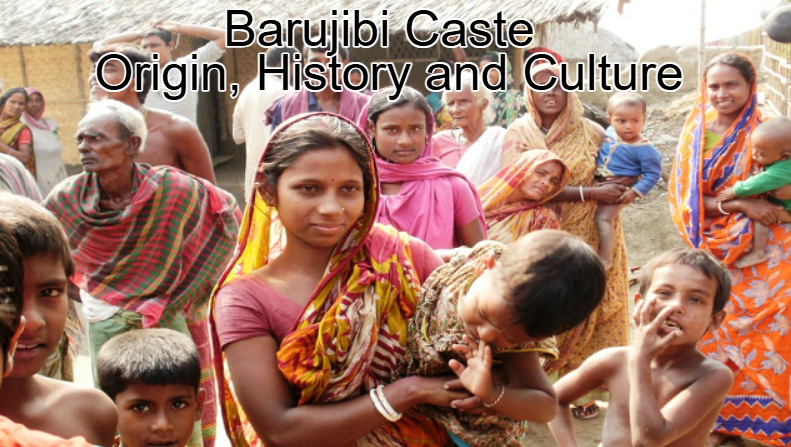
It is believed that the Bengali Barujibi cast is commonly referred to as Barui in areas like Bangladesh in addition to India. Engaged in cultivating betel leaves the old caste is accustomed to their customs and rates of living. Barujibi is part of the category of the other backward classes and remains a culturally insignificant segment. Today there are many cast members who have settled in the Assam, Madhya Pradesh, Maharashtra, Rajasthan and Andhra Pradesh regions.
The Origin of Barujibi Cast
The Barujibis’ origins can be traced back to time when there was there were nine castes that were constructed. The Barujibi word originates in The Sanskrit words Nabasakh where the word naba refers to nine, and Sakha is a branch. In this manner it was believed the cast members were lower than those of the Brahmanical caste and shared a strong connection to the Kayastha. Their rituals and customs were quite similar with the Kayastha caste.
Barujibis has gained respectability due to its status as an integral element of Hinduism. They are Bengali Hindus adhere to Vaishnava tradition and participate in the trade of betel leaves.
What is Kuldevi from Barujibi Cast?
Barujibi casting members usually devote themselves to Goddess Lakshmi for sungai Devi. They are committed to the Hindu faith and adhere to the customs as set out in their gotra.
In accordance with the Hindu caste system, the genesis for Barujibis was derived from a father who was a cattle grazer and a mother who weaved cloths. There is also a belief that Lord Brahma created the need for cultivation of betel leaves from this clan.
Which is the caste of Barujibi?
The Barujibis, or Barujibis, from Bangladesh as well as India are classified as Obc. They adhere to the guidelines set by the Mandal Commission from the Central government. Their social status is secured by different guidelines and regulations issued from government officials in the Ministry of Indian government. Many cultivators have left their old-fashioned profession The government offers Barujibi members with a variety of possibilities of employment and education. The current generation of Barujibis are performing well in various lucrative fields like medicine engineering trades and business.
The farming practices of Barujibi symbolize the Hindu-Bengali casting that is involved with the production of betel leaf. They are mainly located within the Deltas in Bengal in which the land is fertile and suitable to be cultivated. The 19th century saw the Barujibis Cultivated traditional betel leaves were used to process them and exchanged them for commercial operations. The labor-intensive farming activities was a significant part of economic growth in the region.
The caste members expanded into the late 1700s and remained in colonial zones. To this day most population is located in rural areas. However, some of them have moved to urban areas. It is not uncommon for members of the caste to continue their long-standing agricultural profession to earn a living.
Matrimonial rules of Barujibi and rituals
A majority of couples marry within the community and emphasize the values of family and the caste system. They also prefer those with traditional professions. The slow transition of caste has created family structures that are hybrid, where the older generations are engaged in farming activities and the younger generation is trained and holds a favorable job description.